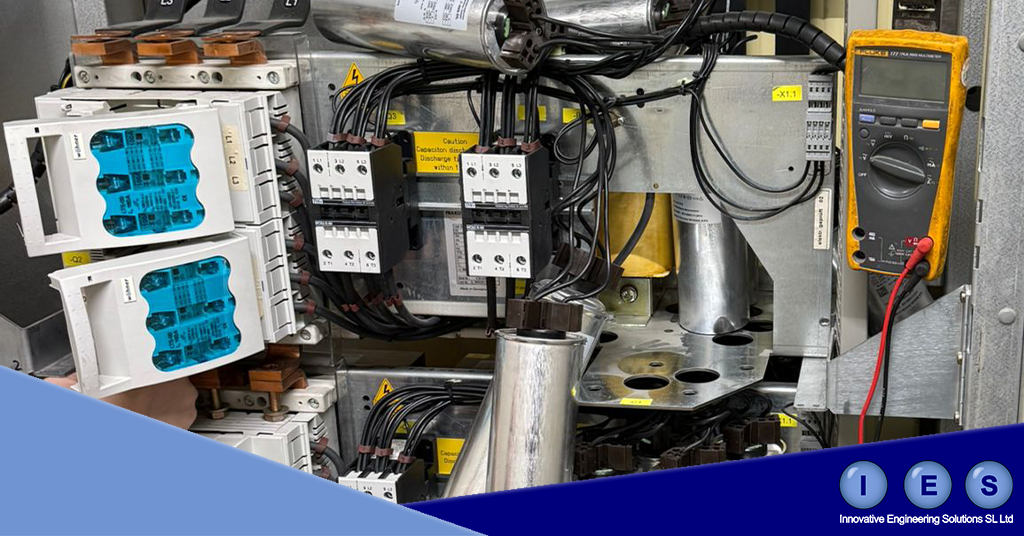
The Importance of MCC Cassette Maintenance and Capacitor Bank Maintenance & Routine Replacement
In modern industrial and commercial electrical systems, reliability and safety are critical. Two often overlooked but essential components in maintaining system performance are Motor Control Centre (MCC) cassettes and capacitor banks. Regular maintenance and scheduled replacement of these components are vital to ensure operational continuity, prevent costly downtime, and protect both equipment and personnel.
⸻
Motor Control Centre (MCC) Cassette Maintenance
Motor Control Centres are the backbone of many industrial operations, controlling and protecting motors used in pumps, conveyors, compressors, and other critical equipment. MCC cassettes (also known as withdrawable units or buckets) house the control and protection devices for individual motors, including contactors, overloads, and control wiring.
Why MCC Cassette Maintenance Matters
1. Preventing Electrical Failures
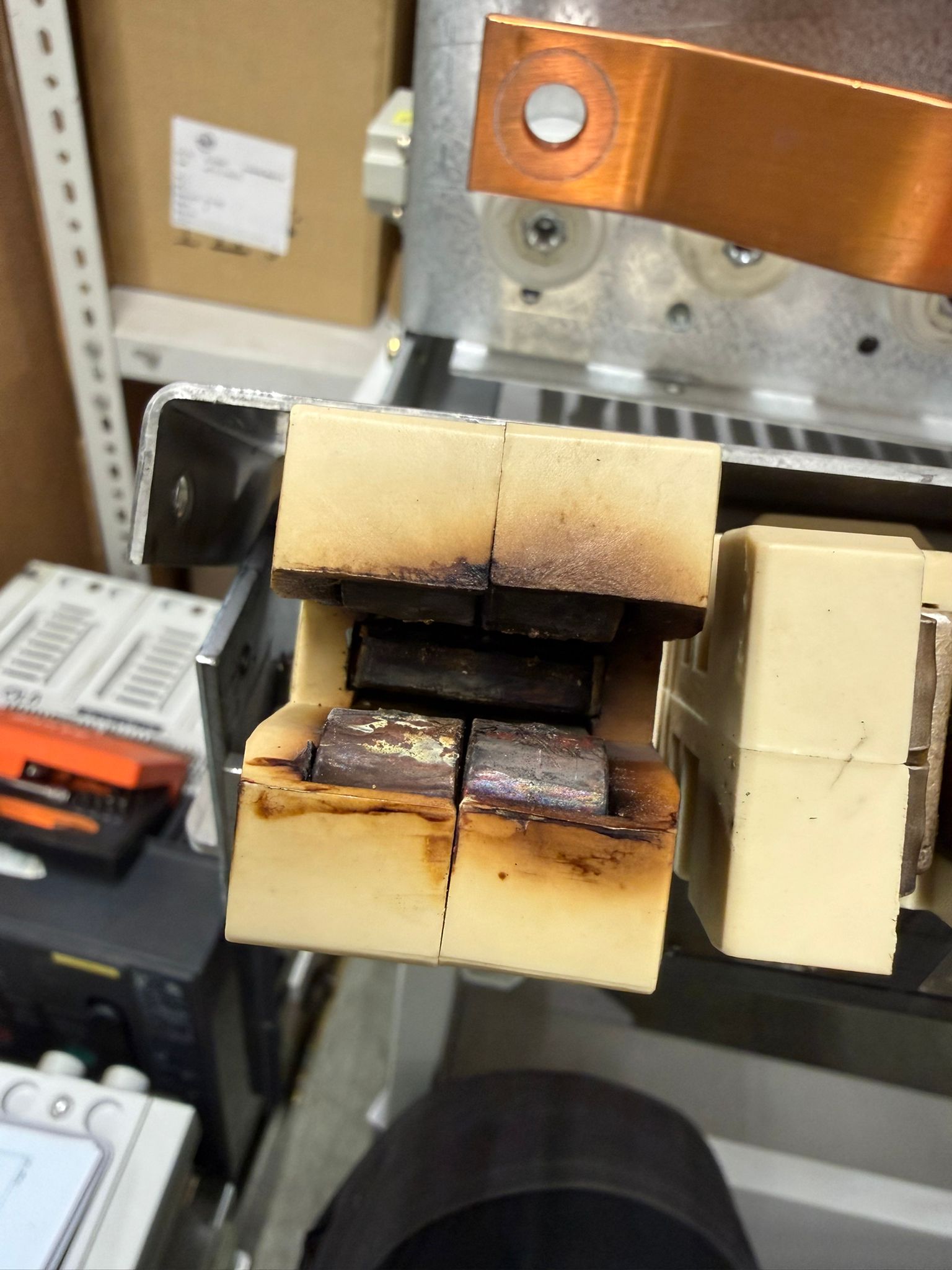
Over time, MCC components experience wear due to electrical switching, thermal cycling, and environmental factors such as dust and humidity. Without regular inspection and servicing, issues such as loose connections, worn contactors, or degraded insulation can develop, potentially leading to faults or failures.
2. Reducing Downtime
Unexpected MCC failures can halt entire production lines. Preventive maintenance allows potential issues to be identified early and resolved during planned shutdowns rather than during critical operations.
3. Ensuring Electrical Safety
Faulty MCC components increase the risk of arc faults, overheating, and electrical fires. Routine inspections help ensure that safety devices such as overload relays and protection circuits operate correctly.
4. Extending Equipment Life
Routine servicing – including cleaning, tightening connections, testing contactors, and verifying control circuits – significantly extends the operational life of MCC equipment.
Typical MCC Cassette Maintenance Tasks
• Visual inspection for signs of overheating or damage
• Cleaning dust and debris from components
• Checking and tightening power and control connections
• Inspecting contactors and overload relays
• Functional testing of control circuits
• Thermographic inspections to identify hot spots
• Verification of interlocks and safety mechanisms
Regular maintenance ensures that MCC units remain reliable and safe for continuous operation.
⸻
Capacitor Bank Maintenance and Routine Replacement
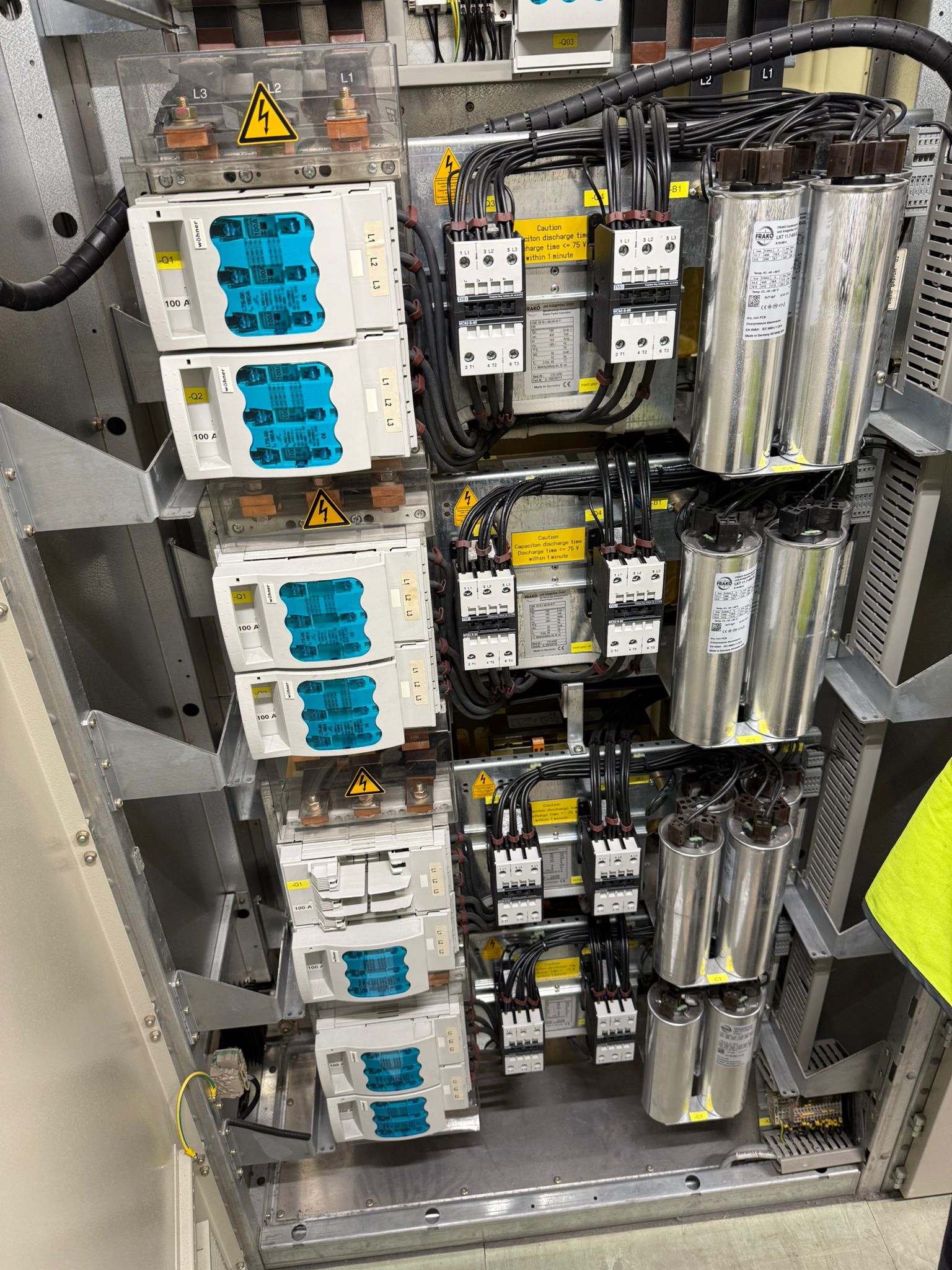
Capacitor banks are widely used to improve power factor, which increases electrical efficiency and reduces energy costs. By compensating for reactive power, capacitor banks help reduce demand charges and improve the overall performance of electrical systems.
However, capacitors have a finite lifespan, typically between 5–10 years depending on operating conditions.
Why Capacitor Maintenance Is Essential
1. Maintaining Power Factor Efficiency
As capacitors age, their capacitance gradually decreases. This reduces their effectiveness in correcting power factor, which can lead to higher electricity bills and possible utility penalties.
2. Preventing Equipment Failure
Failing capacitors may swell, leak, or rupture. In severe cases they can explode, damaging switchgear and posing safety hazards.
3. Protecting Electrical Infrastructure
Poorly maintained capacitor banks can cause issues such as harmonic amplification, overheating, and increased stress on transformers and cables.
4. Avoiding Unexpected Shutdowns
Capacitor failures can trip protection systems or damage associated equipment, potentially shutting down entire electrical systems.
⸻
Routine Capacitor Bank Maintenance
Regular inspection and testing should include:
• Visual inspection for swelling, leaks, or damaged terminals
• Checking fuses and protective devices
• Measuring capacitance values to confirm performance
• Thermal imaging to detect overheating connections
• Cleaning and tightening electrical connections
• Monitoring harmonic levels and system loading
Scheduled Replacement
Even with good maintenance practices, capacitors naturally degrade. For this reason, planned replacement programs are recommended. Replacing capacitors before failure reduces the risk of sudden outages and ensures continuous power factor correction.
⸻
The Cost of Neglect
Failing to maintain MCC cassettes or capacitor banks can lead to:
• Unexpected plant shutdowns
• Increased energy costs
• Equipment damage
• Safety risks for personnel
• Expensive emergency repairs
Preventive maintenance is significantly more cost-effective than reactive repairs.
⸻
Conclusion
Regular MCC cassette maintenance and capacitor bank servicing are essential components of a proactive electrical maintenance strategy. By implementing routine inspections, testing, and planned component replacement, organizations can ensure reliable operation, maintain energy efficiency, and safeguard both personnel and equipment.
Investing in preventive maintenance not only protects critical infrastructure but also supports long-term operational efficiency and cost savings.
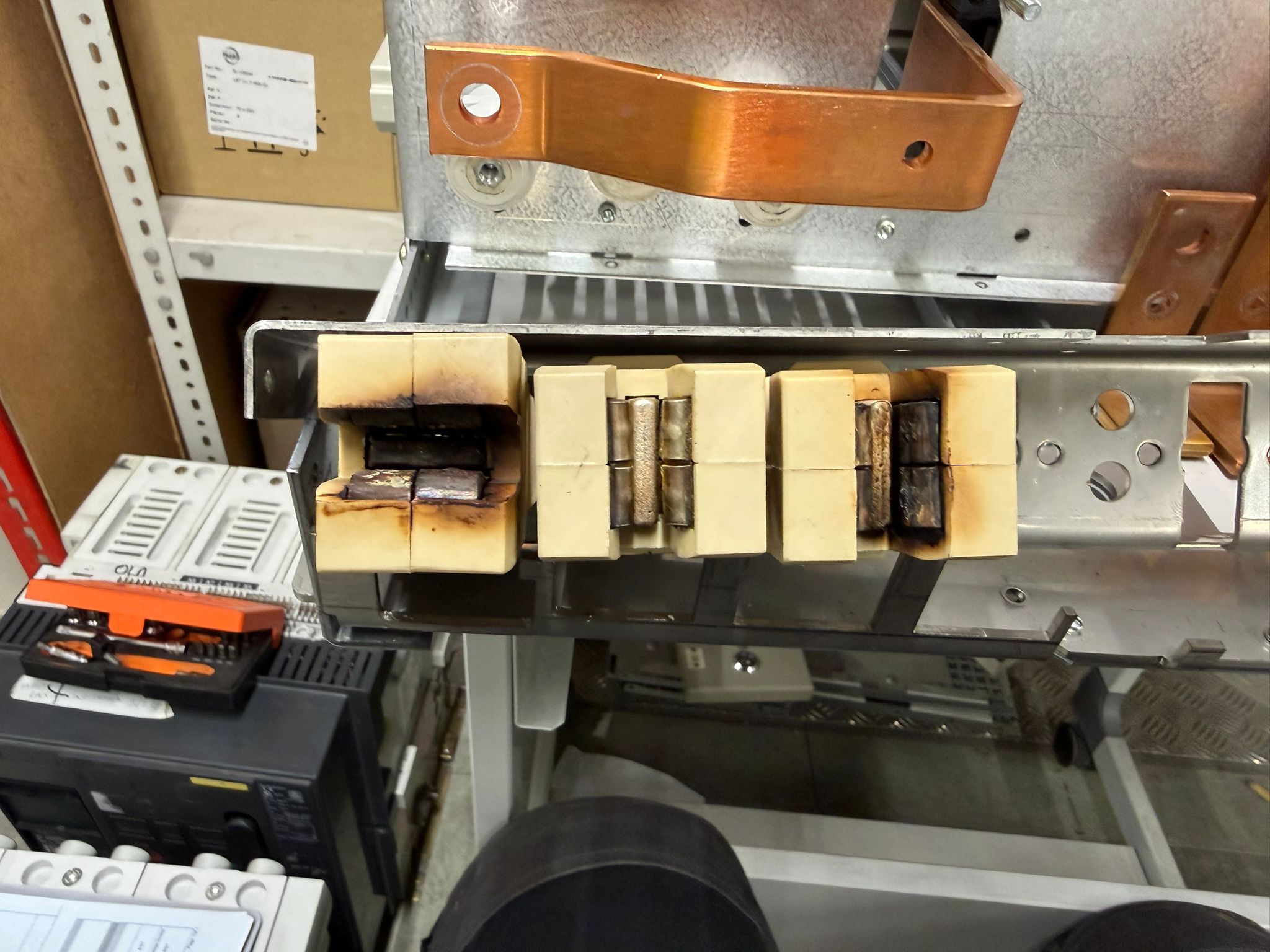
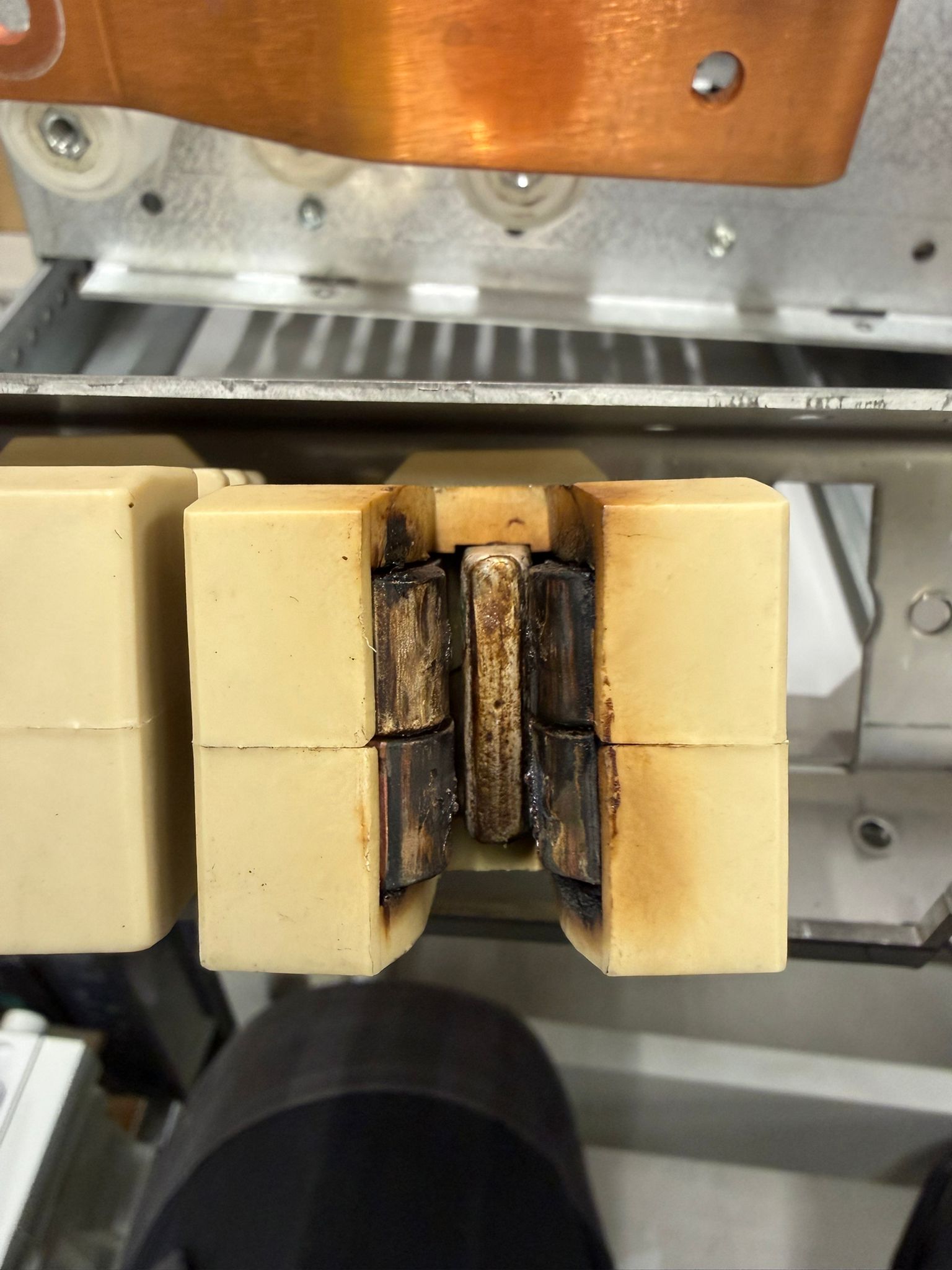
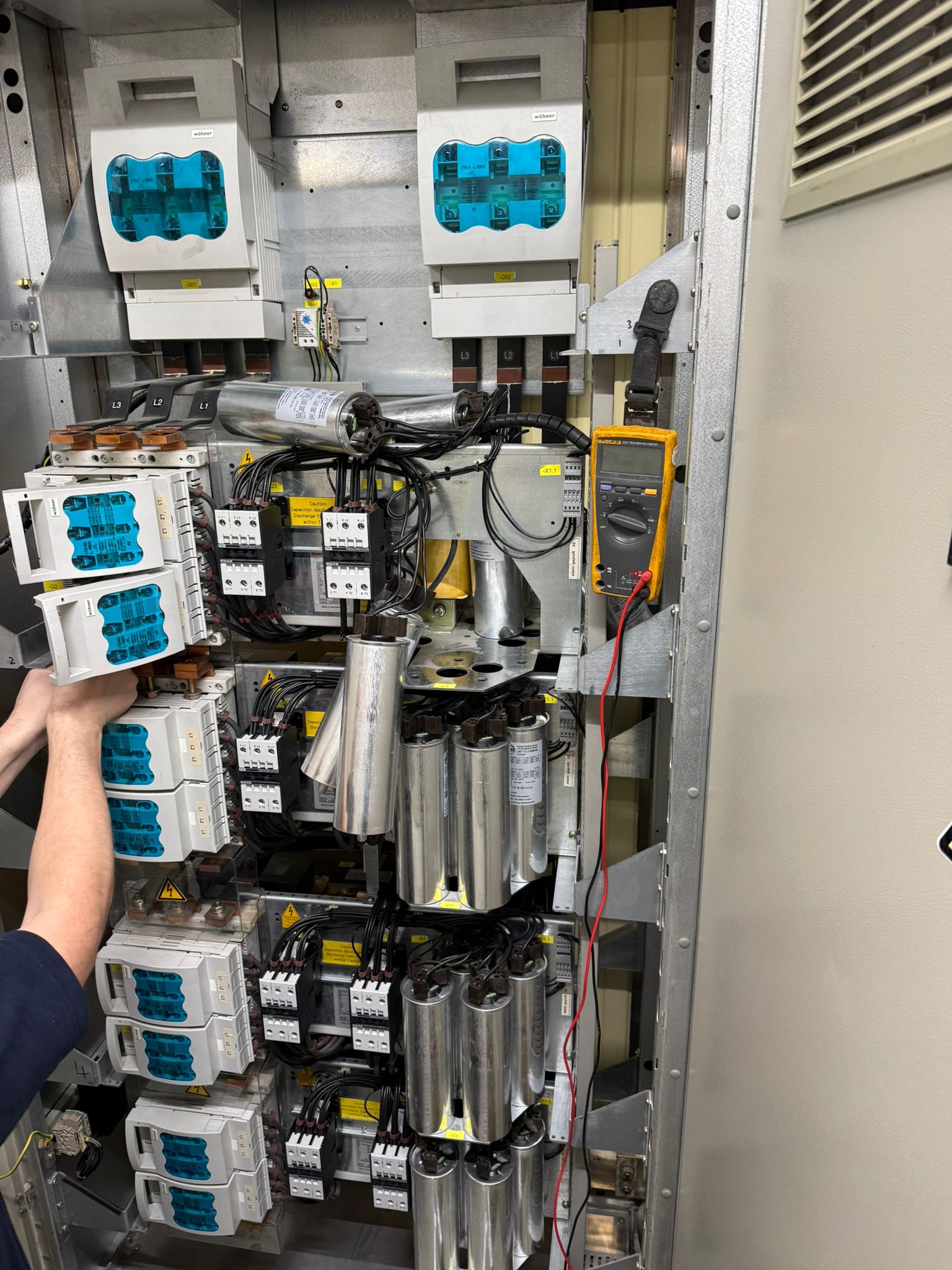
At IES, we are currently carrying out a complete board preventative maintenance check for one of our customers. Through detailed testing and vigilance, we have identified and repaired several potential points of failure within MCC cassettes and capacitor banks. By addressing these issues early, we have hopefully prevented unexpected downtime in the future and helped ensure the continued reliability of the customer’s electrical infrastructure.
Preventative maintenance not only improves system reliability but also protects equipment, reduces energy losses, and minimises the risk of costly unplanned shutdowns.





Recent Comments